Anxiety is one of the most common reasons people reach for a drink. The temporary relief alcohol provides is real — but so are the downsides: impaired judgment, next-day "hangxiety," and the risk of dependency. Kava offers a compelling alternative, and the research behind it is more robust than most people realize.

What the Research Actually Shows

Kava's anxiolytic (anxiety-reducing) effects have been studied in multiple clinical trials. A landmark 2003 Cochrane Review — one of the most rigorous forms of medical evidence — analyzed multiple randomized controlled trials and concluded that kava extract was significantly more effective than placebo for treating anxiety.

A 2013 randomized controlled trial published in the Journal of Clinical Psychopharmacology found that kava extract produced significant reductions in anxiety symptoms in participants with Generalized Anxiety Disorder (GAD), with effects comparable to some pharmaceutical interventions but without the side effect profile.

More recent research has continued to support these findings. A 2020 study found that a standardized kava extract significantly reduced anxiety in participants with moderate anxiety, with effects becoming apparent within the first week of use.

How Kava Reduces Anxiety: The Mechanism

The anxiety-reducing effects of kava come primarily from its kavalactones, particularly kavain and dihydrokavain. These compounds work through several mechanisms:

GABA modulation: Kavalactones enhance the activity of GABA-A receptors — the same receptors targeted by benzodiazepines (like Valium) and alcohol. This produces the characteristic calming effect.

Dopamine regulation: Some kavalactones appear to modulate dopamine activity, which may contribute to the mild mood elevation many kava users report.

Norepinephrine inhibition: Kavalactones may reduce the release of norepinephrine, a stress hormone involved in the "fight or flight" response.

The combination of these mechanisms produces an anxiety-reducing effect that is both noticeable and well-tolerated at normal doses.

Kava vs. Other Anxiety Interventions

InterventionEvidence LevelSide EffectsDependency Risk
KavaModerate-StrongLow at normal dosesVery Low
AlcoholStrong (short-term)HighHigh
BenzodiazepinesStrongModerateHigh
CBDModerateVery LowNone
AshwagandhaModerateVery LowNone
L-theanineModerateVery LowNone

Kava occupies a unique position: stronger and faster-acting than most natural supplements, but without the dependency risk or impairment of pharmaceutical options.

Dosing Guidance

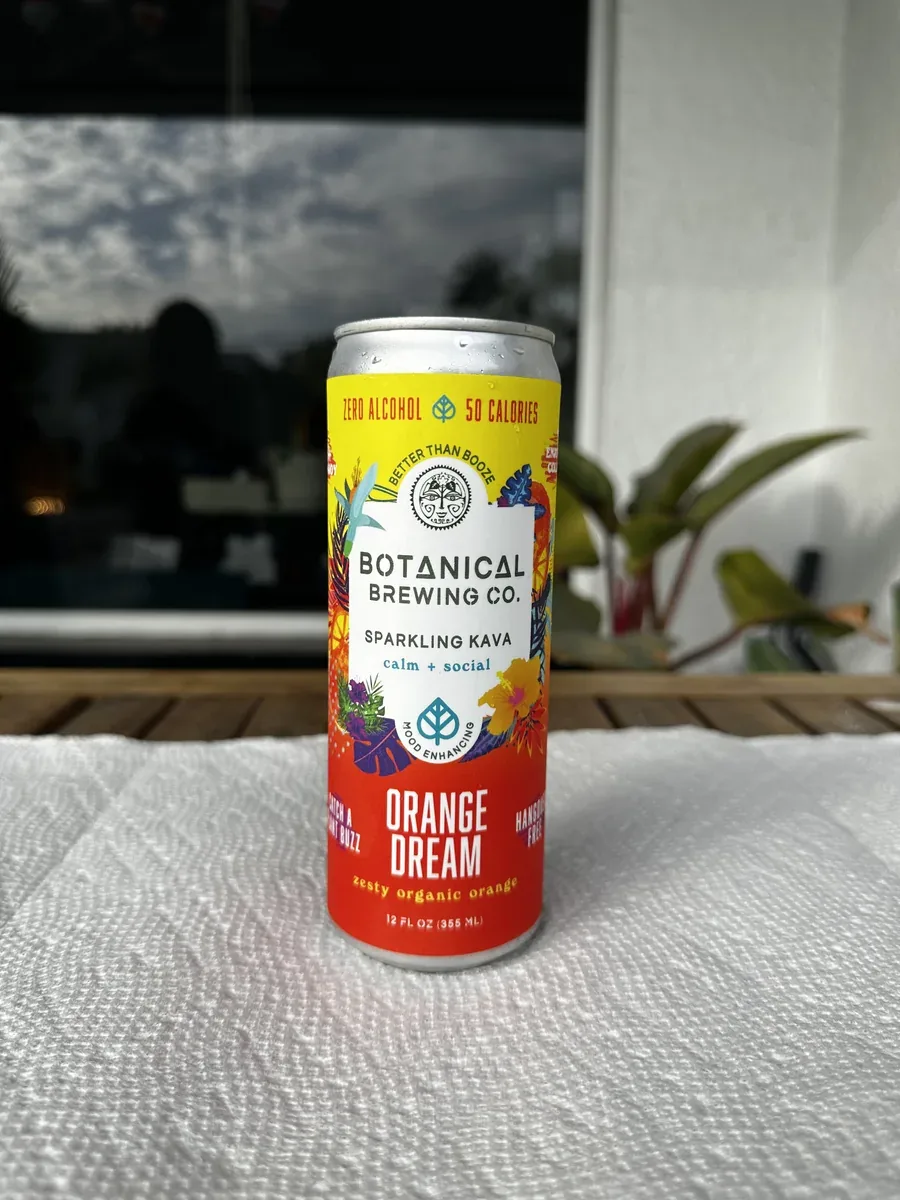
The research on kava for anxiety typically uses standardized extracts delivering 70-250mg of kavalactones per dose. Most quality RTD kava products, including Botanical Brewing Co., are formulated within this range.

For anxiety relief, one Botanical Brewing kava can (consumed over 20-30 minutes) is typically sufficient for most people. The effects begin within 15-30 minutes and last 2-4 hours. For social anxiety specifically, consuming kava 30-45 minutes before a social event produces optimal results.

Try Botanical Brewing Kava for Anxiety Relief →

Important Caveats

Kava is not a substitute for professional mental health treatment. If you have a diagnosed anxiety disorder, please work with a healthcare provider. Kava can be a useful complementary tool, but it should not replace therapy, medication, or other evidence-based treatments.

Additionally, kava should not be combined with anti-anxiety medications, particularly benzodiazepines, without medical guidance. The combined effect on GABA receptors can be unpredictable.

The Bottom Line

The evidence for kava as an anxiety intervention is genuinely compelling — more so than most natural supplements. For situational anxiety (social anxiety, work stress, pre-event nerves), kava is one of the most effective and well-researched natural options available. The convenience of modern RTD formats like Botanical Brewing Co. makes it easier than ever to incorporate into a stress-management routine.

These statements have not been evaluated by the FDA. This article is not medical advice.