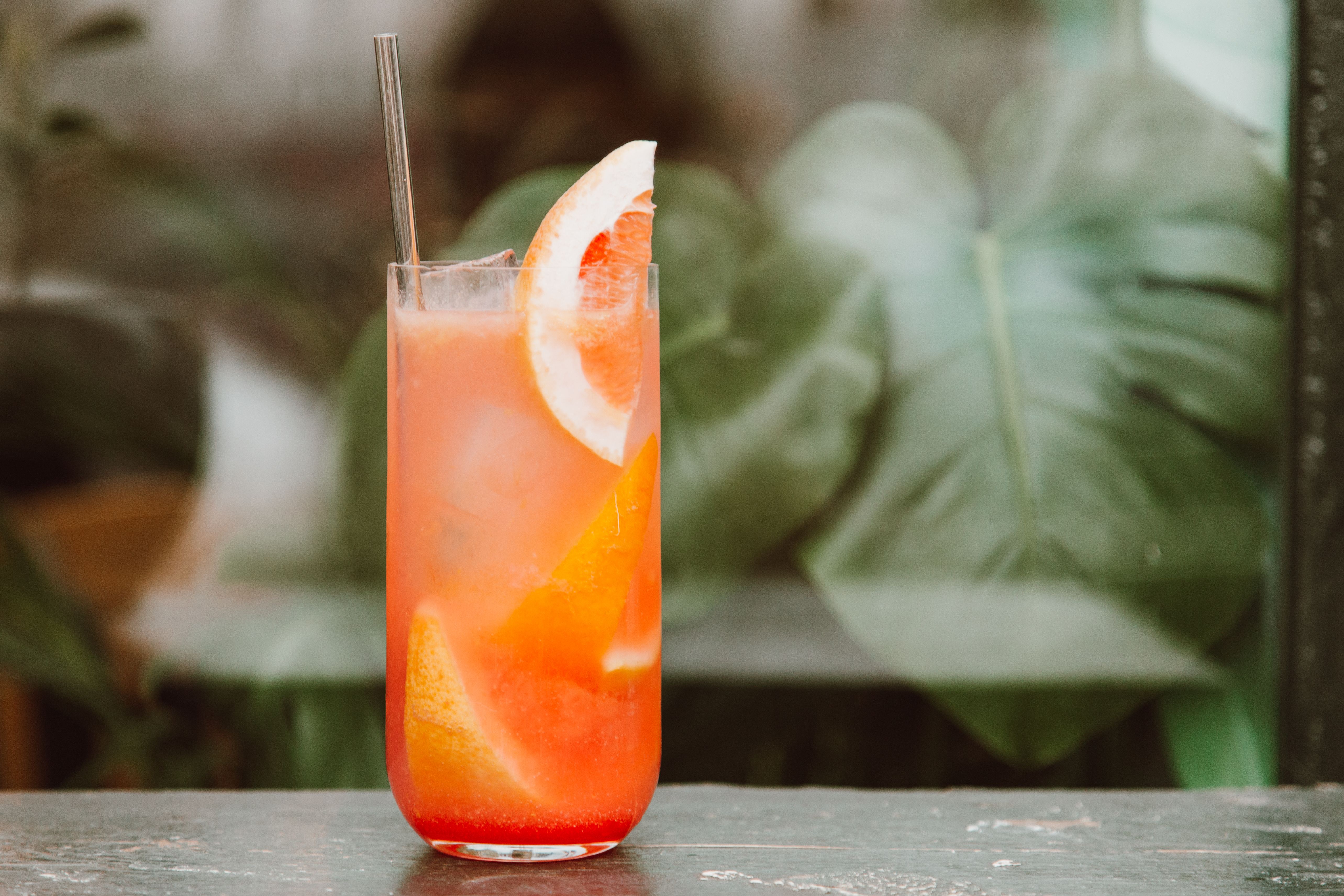
A practical way to separate botanical-label details, evidence questions, and personal health decisions when a reader searches for adaptogens and stress.
Start with what is actually on the label
A front label may use words such as botanical, functional, adaptogen, balance, or stress support. Those phrases are not a substitute for the actual ingredient list, serving information, product category, and manufacturer details.
FDA consumer guidance explains that dietary supplement labels may include a Supplement Facts panel and an other-ingredients list. Those are concrete places to begin when evaluating a product claim without treating the claim as a personal forecast.
Move from ingredient names to primary information
NCCIH’s Herbs at a Glance directory is a useful next stop when a product names a specific herb or botanical. Its fact sheets are organized around what the science says, possible cautions, and references—not a generalized promise attached to a beverage or supplement label.
One ingredient can appear in different formats and amounts across products. A broad category word does not establish product quality, safety, or usefulness for an individual reader.
Keep personal decisions outside a shopping guide
FDA advises consumers to speak with a health professional before deciding to purchase or use a dietary supplement because some supplements can interact with medicines or other supplements. That is especially relevant when a question is framed around stress, sleep, mood, or another personal health concern.
Functional Sip preserves this historic URL as a label-and-evidence guide. It does not rank adaptogen products, link to a purchase destination, or present an ingredient as a treatment.
Story notes +
Current sources: Functional Sip reviewed FDA consumer guidance on dietary supplements and NCCIH’s Herbs at a Glance directory. We retained label-reading and evidence-context information while excluding effect claims, product rankings, brand links, and individual health recommendations.
In context: A botanical label can identify ingredients, serving information, and the product category; it cannot diagnose stress, predict an outcome, or replace individualized health guidance. Use the current Supplement Facts panel and primary herb resources to ask better questions, then take personal decisions to a qualified professional.
Good to know: This page is for readers evaluating botanical or adaptogen language on a label. It is not a treatment guide, an endorsement of an ingredient, or a recommendation to use a product for stress.
Sources
Read the current details.
Common questions
Before you decide.
Does the word adaptogen prove a product will reduce stress?+
No. A marketing term or ingredient name is not a personal outcome guarantee. Review the current label and use qualified guidance for a health decision.
What should I look for on a botanical supplement label?+
FDA notes that labels may include a Supplement Facts panel, serving size, dietary ingredients, other ingredients, and manufacturer information. Check the actual current label.
Are dietary supplements approved by FDA before sale?+
FDA states that it generally does not approve dietary supplements before they are marketed. That makes careful label reading and informed questions especially important.