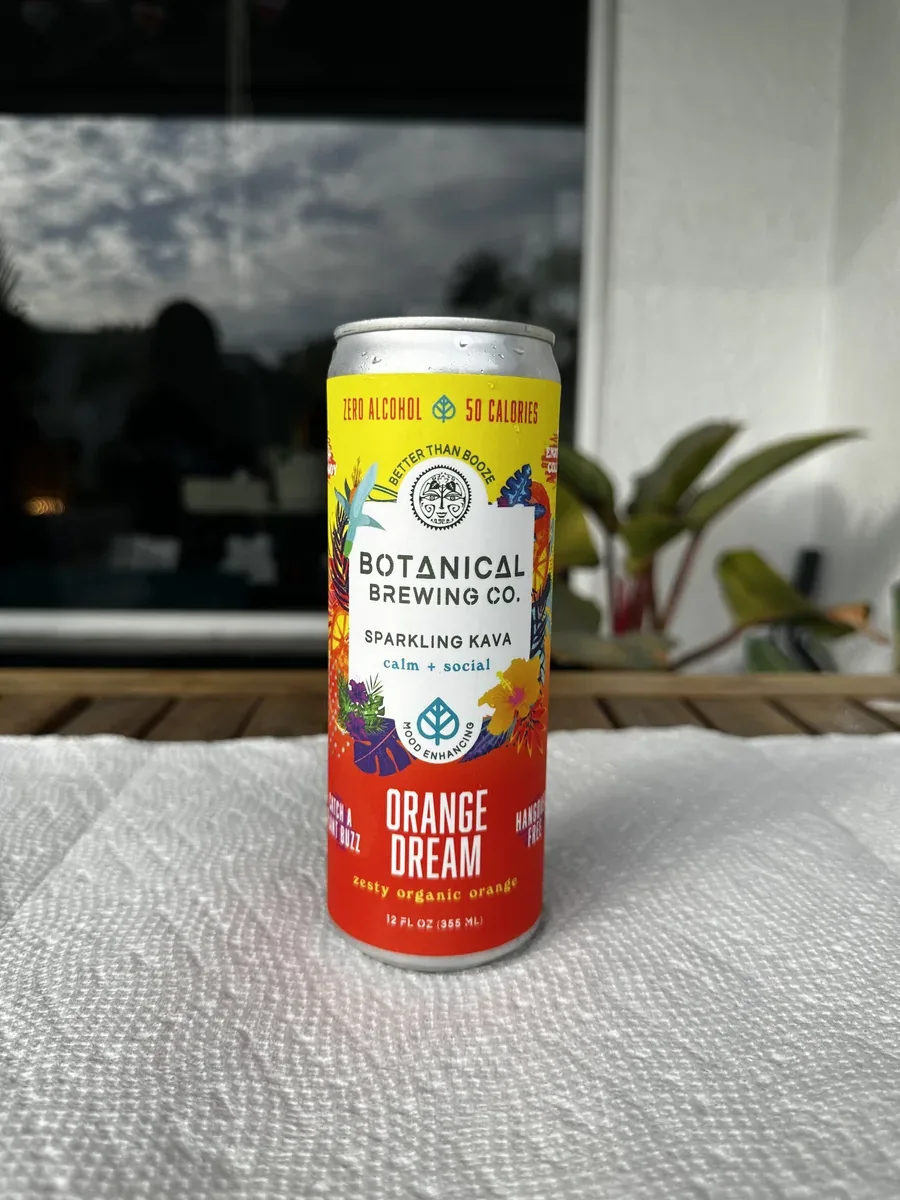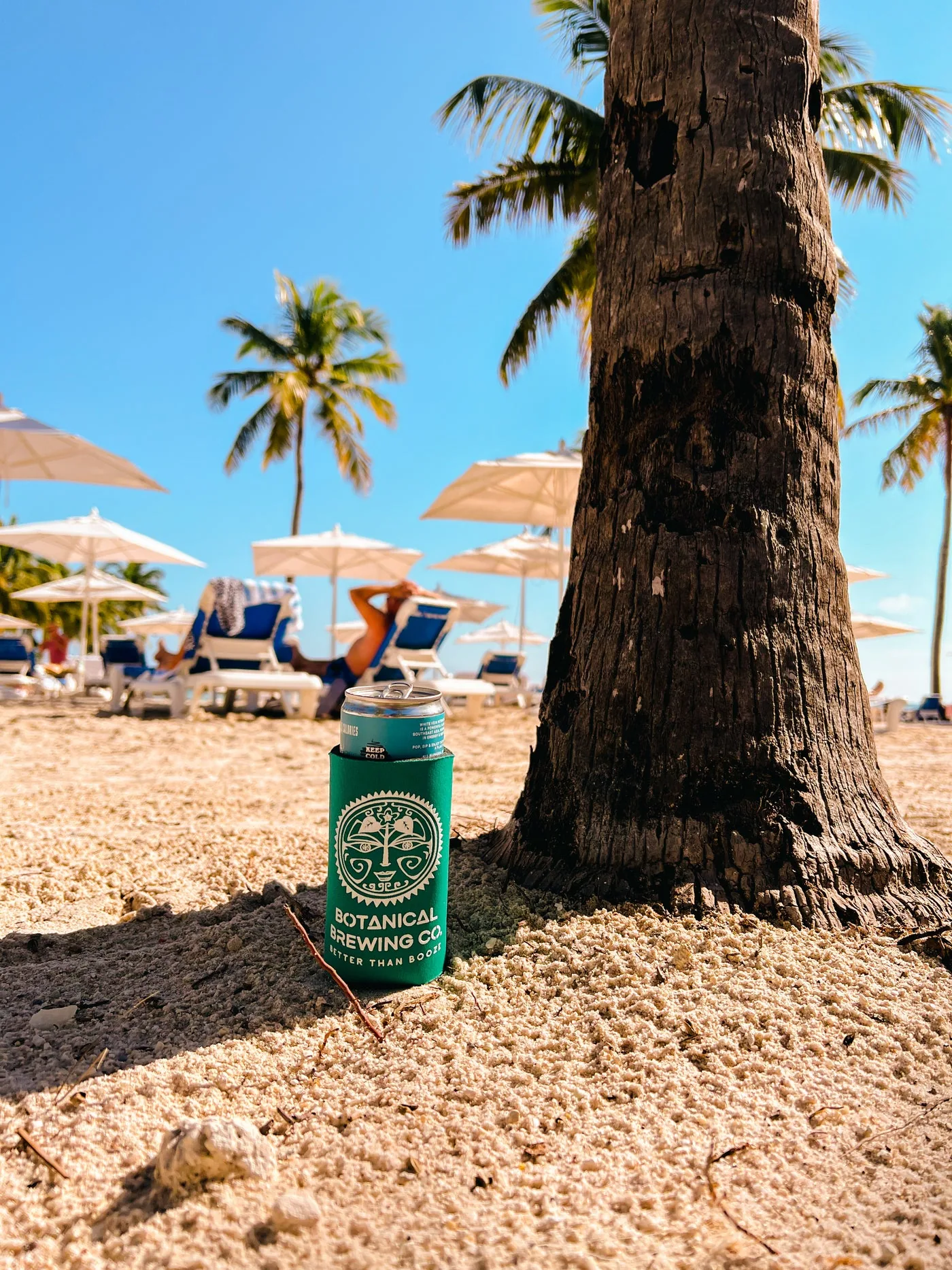
Why people drink it
- A ritual without alcohol. Kava marks the end of the day and brings people together, the role alcohol plays in many other cultures.
- Relaxation. People commonly describe kava as relaxing.
- Taste and culture. For Pacific Islanders, kava is part of identity, ceremony and hospitality.
What research shows
Most research on kava has looked at anxiety, with mixed results: some studies found modest short-term effects and others didn't. There isn't strong evidence for other health benefits.
The tradeoffs
Kava has been linked to rare cases of severe liver injury, and long-term heavy use is associated with a dry, scaly skin condition. Don't combine it with alcohol.
The honest takeaway
The best reason to drink kava is the experience: the ritual, the taste, the evening without alcohol. Not as medicine.
Who should skip kava
- Kava drinks are for adults 21+. Skip them if you're under 21.
- Skip kava if you're pregnant or breastfeeding.
- Skip kava if you have a liver condition or drink heavily. Kava has been linked to rare cases of serious liver injury.
- Skip it if you take antidepressants (including SSRIs), sedatives, sleep aids or medications that affect the liver, unless your doctor says it's OK.
- Rules on kava vary by place. Check your local rules before you buy.
- One can or shell is one serving. Don't mix kava with alcohol, and don't drive after drinking it.
These are general cautions, not medical advice. If you're unsure, talk to your doctor or pharmacist.
Questions people ask
What are the benefits of kava?
People drink kava to unwind and socialize without alcohol. Research on health benefits, mostly for anxiety, is mixed.
Is kava good for you?
It can be a good alternative to alcohol for some people, but it has its own risks, including rare liver injury.