
Kava vs. CBD at a glance
| Kava | CBD | |
|---|---|---|
| What it is | Root of Piper methysticum (pepper family) | Cannabidiol, a compound from Cannabis sativa, including hemp |
| From | South Pacific: Vanuatu, Fiji, Tonga, Samoa, Hawaii | Extracted from cannabis or hemp plants |
| What labels list | Kavalactones (some brands), or kava extract weight | Milligrams of CBD (varies by product) |
| How it's sold | Cans, powders, stick packs, ground root, kava "spirits" | Oils, gummies, capsules, topicals and some drinks |
| US status in food and drinks | Sold as a food and beverage ingredient; check local rules | FDA says it can't lawfully be added to food or drinks sold across state lines; state rules vary |
| FDA-approved uses | None | One prescription drug (Epidiolex); no approved food or supplement use |
| Main safety notes | Rare reports of serious liver injury; don't mix with alcohol | FDA lists liver injury, medication interactions (including with caffeine) and possible harm to the male reproductive system |
Where they come from
Kava has been a shared drink across the South Pacific for centuries: the root is ground, kneaded in water and strained. More on kava's history.
CBD is one of many compounds in the cannabis plant. Hemp-derived CBD is extracted and added to oils, gummies, capsules and some drinks. It's a different plant family from kava.
How each is regulated in the US
Kava is sold as a food and beverage ingredient in the US, though rules vary by place.
CBD sits in a gray area. The FDA has concluded that it's a prohibited act to sell food, including drinks, with added CBD across state lines, and that CBD isn't an approved food additive or dietary supplement ingredient. It has said it will work with Congress on a new approach. Some states have their own rules on hemp and CBD products. That's why CBD drinks are hard to find in mainstream stores, and why we don't recommend specific ones.
What the labels tell you
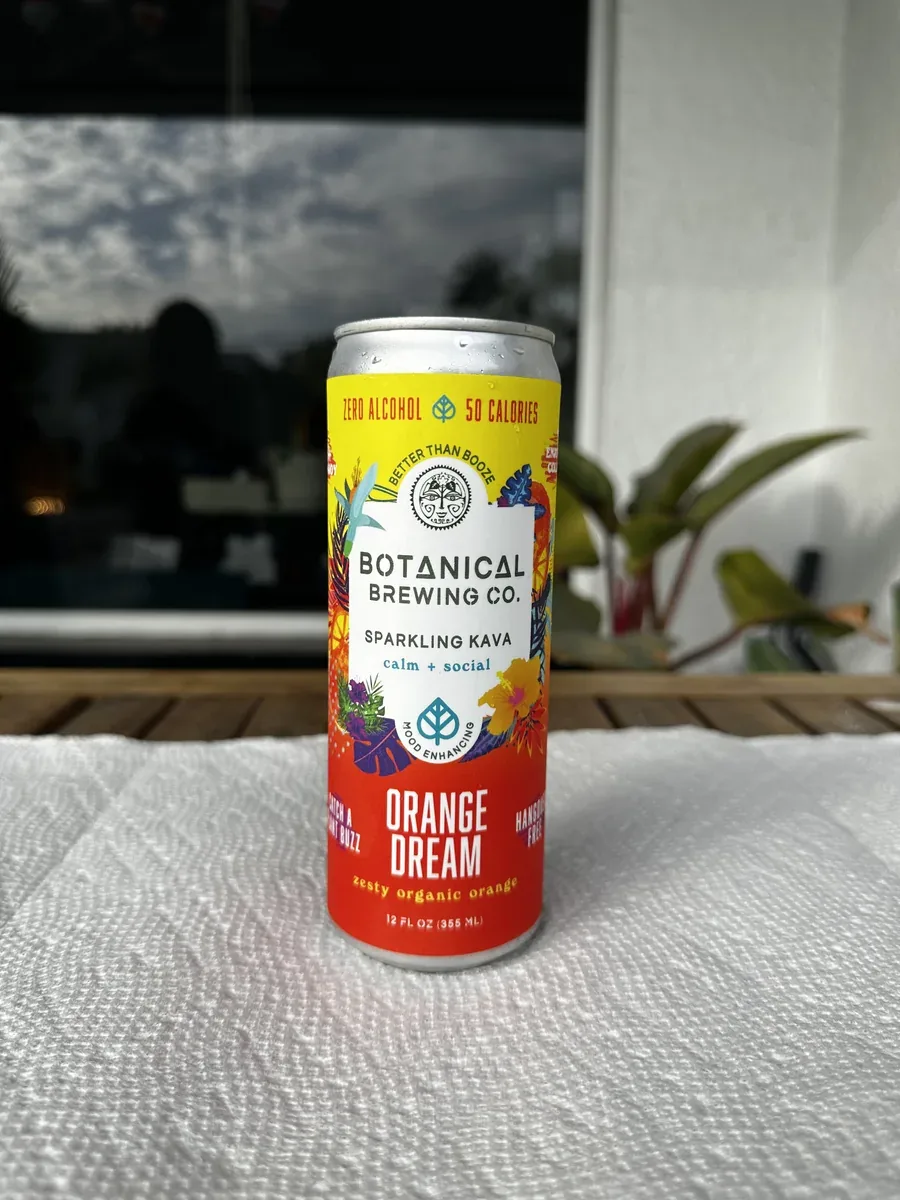
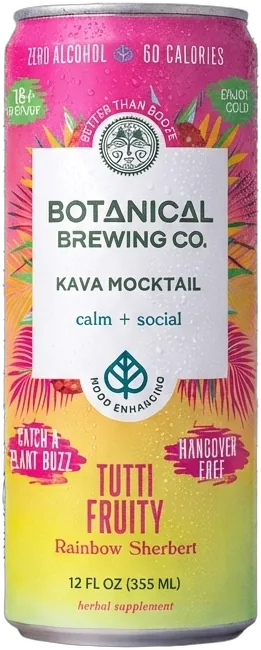
A good kava label lists kavalactones per serving (Kava Haven and Mitra9 both print 150 mg), or at least the extract weight. A CBD label lists milligrams of CBD. Because CBD isn't approved as a food ingredient, there's no FDA food standard behind that number.
Safety: what the FDA and our sources say
Kava: reports of serious liver injury are rare, but skip kava if you have a liver condition, drink heavily, are pregnant or breastfeeding, or take medications that affect the liver, unless your doctor says it's OK. Don't mix kava with alcohol.
CBD: the FDA lists liver injury, interactions with other medications (CBD can raise or lower their effects, and may increase or prolong the effects of caffeine) and possible harm to the male reproductive system among its concerns. It also flags pregnancy and children as particular concerns.
Both: each comes with a liver caution, so we wouldn't combine them, and we wouldn't take either alongside daily medication without asking your doctor or pharmacist.
If you're choosing a drink
If you want a canned evening drink you can buy in the US as a food product, kava is the one with a long traditional history as a drink. Start with a flavored can.
Sources
- FDA: Regulation of cannabis and cannabis-derived products, including CBD
- FDA: What the FDA is doing to protect consumers from CBD in foods
- FDA: Existing frameworks for foods and supplements are not appropriate for CBD
Who should skip kava
- Kava drinks are for adults 21+. Skip them if you're under 21.
- Skip kava if you're pregnant or breastfeeding.
- Skip kava if you have a liver condition or drink heavily. Kava has been linked to rare cases of serious liver injury.
- Skip it if you take antidepressants (including SSRIs), sedatives, sleep aids or medications that affect the liver, unless your doctor says it's OK.
- Rules on kava vary by place. Check your local rules before you buy.
- One can or shell is one serving. Don't mix kava with alcohol, and don't drive after drinking it.
Who should skip CBD
- Skip CBD if you're pregnant or breastfeeding. The FDA flags pregnancy as a particular concern.
- Skip CBD if you're under 21, and keep CBD products away from children.
- Skip it if you have a liver condition. The FDA lists liver injury among CBD's risks.
- Skip it if you take antidepressants (including SSRIs), sedatives, sleep aids or any other daily medication, unless your doctor says it's OK. CBD can change how other medications work.
- The FDA says CBD can't lawfully be added to food or drinks sold across state lines, and state rules vary. Check your local rules.
- Don't combine CBD with alcohol or kava, and don't drive if you feel any different.
These are general cautions, not medical advice. If you're unsure, talk to your doctor or pharmacist.
Questions people ask
Is kava the same as CBD?
No. Kava is a root from the South Pacific. CBD is a compound from the cannabis plant. They're unrelated.
Are CBD drinks legal?
The FDA says CBD can't lawfully be added to food or drinks sold across state lines. Some states have their own rules on hemp products. Check where you live.
Can you mix kava and CBD?
We don't recommend it. Both carry liver cautions, and CBD can interact with medications. Ask your doctor or pharmacist first.
Is kava legal?
Kava is sold as a food and beverage ingredient in the US. Rules vary by place, so check where you live.
Does CBD interact with caffeine?
The FDA says studies suggest CBD may increase or prolong caffeine's effects.