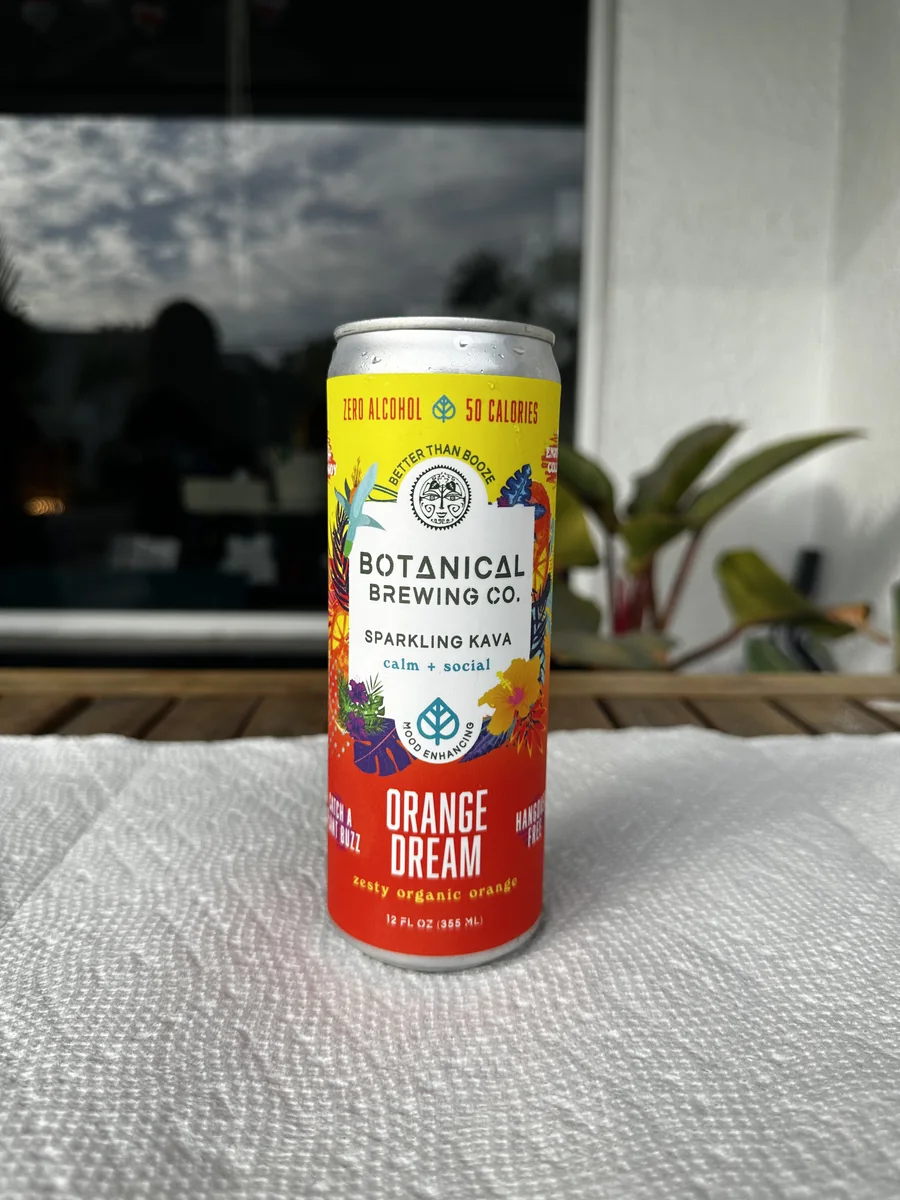
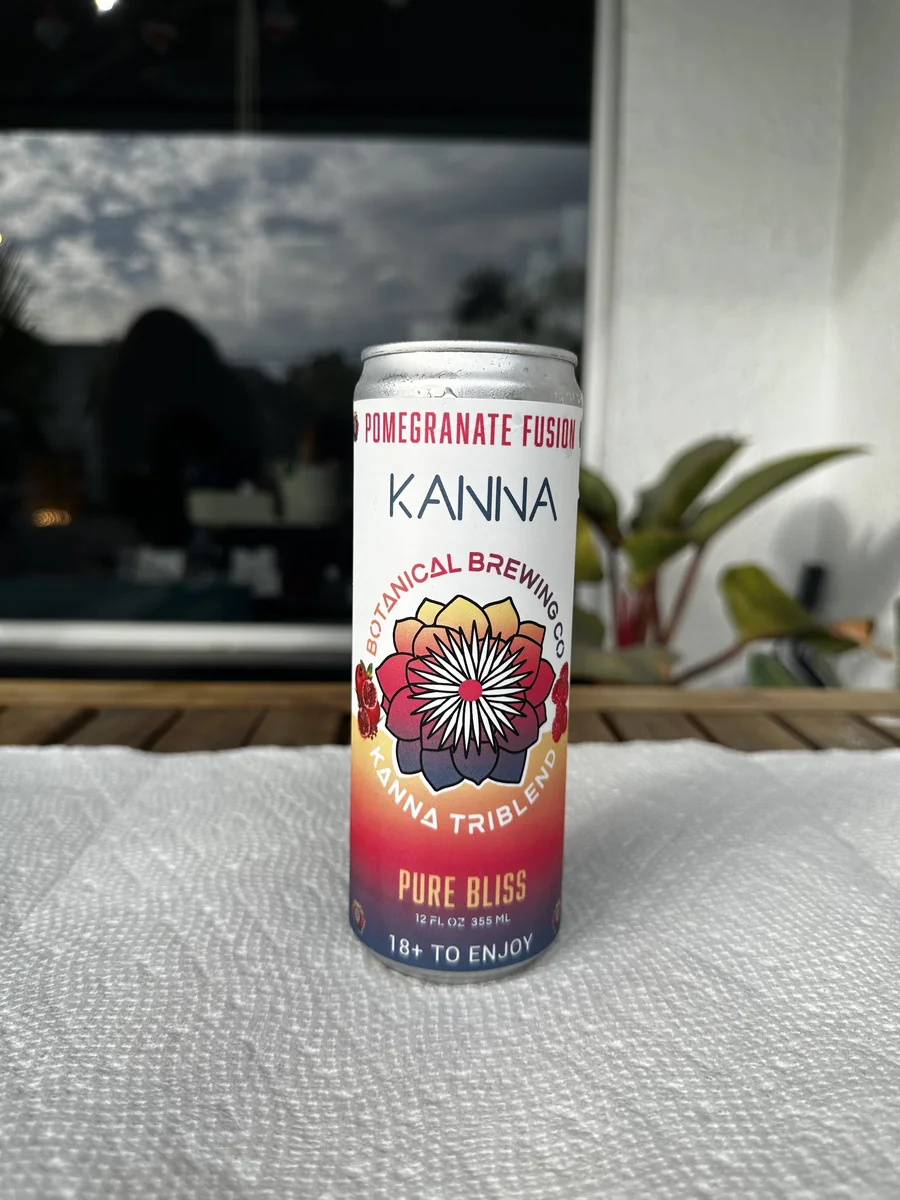
A drink-first way to compare kava and kanna with the rest of the functional shelf: botanical subject, package context, and the source material behind the label.
Two botanicals, two research paths
Kava and kanna often appear in the same broad functional-beverage conversation, but they are not interchangeable names. NCCIH identifies kava as Piper methysticum, a plant native to the South Pacific. OPSS identifies kanna as Sceletium tortuosum, a plant native to South Africa. That difference matters because the available public information, current packaging, and product categories may not line up from one can to the next.
A useful comparison begins by keeping the two subjects distinct. General information about a botanical is not a verdict on a particular beverage, and a front-label ingredient callout is not a prediction of what any person will experience.
How kava and kanna differ on the functional shelf
Kava and kanna sit beside many kinds of functional beverages, but the shelf is not one ingredient category. An alcohol-free spirit, a coffee beverage, an electrolyte drink, a vitamin drink, and a botanical sparkling beverage can differ in format, nutrition or supplement label context, and the ingredients a manufacturer lists. Kava and kanna add separate botanical subjects to that mix; neither name makes every drink on the shelf interchangeable.
The practical comparison starts with the exact package, not a broad category label. Notice the stated beverage format, ingredients, caffeine or nutrition information where listed, and whether the package uses Nutrition Facts or Supplement Facts context. These are documented product details that let a reader see what is actually being compared without turning an ingredient headline into a promise.
Let the current can lead
FDA explains that serving size and servings per container frame the calories and nutrients shown on a Nutrition Facts label, and that serving size is not a recommendation of how much to eat or drink. The current ingredient list, beverage format, and any Nutrition Facts or Supplement Facts context give a reader concrete details to compare.
That approach keeps a Kava Orange Dream can, a Kanna Pomegranate Fusion can, and any other format in their own documented lanes. Producer flavor wording can identify what a brand says about a product. It cannot establish a taste verdict, health result, or individual experience.
Keep evidence and safety in the picture
NCCIH notes limited evidence beyond certain kava research and describes important safety cautions, including reports of rare but sometimes severe liver injury and cautions about alcohol, sedating substances, medicines, pregnancy, and breastfeeding. OPSS says the kanna studies it summarizes are small and short-term, that more research is needed, and that available safety information is limited.
Those statements belong beside a label comparison, not behind a promise. Functional Sip does not use them to recommend a product, tell a reader which botanical to choose, or provide dose, mixing, interaction, or personal-use guidance. Personal health or medication questions belong with an appropriate qualified professional who can consider the full context.
Keep the shelf interesting—and specific
The point of a functional-beverage shelf is not to flatten every can into one story. It is to make the differences easier to see: the botanical named on the package, the flavor language a producer provides, the format in hand, and the source material worth reading before a bigger claim is made.
From here, explore the current Kava and Kanna product stories for format-specific details, or return to the wider Field Notes library for label and category context. This guide stays non-commercial so the comparison remains a place to start, not a push toward a particular can.
Story notes +
Current sources: Functional Sip reviewed current NCCIH kava information, OPSS kanna information, and FDA Nutrition Facts guidance. We used those sources to distinguish botanical, package, and evidence context from personal claims. We excluded product recommendations, affiliate exits, effect claims, product classification claims, use instructions, and any conclusion about an individual or a specific can.
In context: Kava and kanna are separate botanical subjects with different public-health source material. Compared with the wider functional-beverage shelf, the useful distinction is the exact package: its format, serving information, ingredients, label context, and research limits. General information about either botanical does not establish how a particular drink will affect a person.
Good to know: This guide is for readers comparing kava and kanna beverage formats with other functional drinks. It does not recommend either botanical or product, predict an outcome, classify a named drink, or provide personal health, safety, dose, mixing, or suitability guidance.
Sources
Read the current details.
Common questions
Before you decide.
Are kava and kanna the same botanical?+
No. NCCIH identifies kava as Piper methysticum, while OPSS identifies kanna as Sceletium tortuosum. They should be researched through the exact product and the relevant current source material rather than treated as interchangeable.
How do kava and kanna differ from other functional beverage formats?+
They are distinct botanical subjects that can appear beside coffee, alcohol-free spirits, electrolyte drinks, vitamin drinks, and botanical sparkling beverages. Compare the exact package and label context; a broad functional-beverage category does not make products interchangeable.
Can a front label establish a personal result?+
No. A package can show product information such as format, serving information, and ingredients. It does not establish an individual effect, safety outcome, or suitability conclusion.
What should I compare first between two cans?+
Read the exact current format, serving size, servings per container, ingredient information, and the Nutrition Facts or Supplement Facts context where applicable. Serving size is a product fact, not a recommendation of how much to consume.