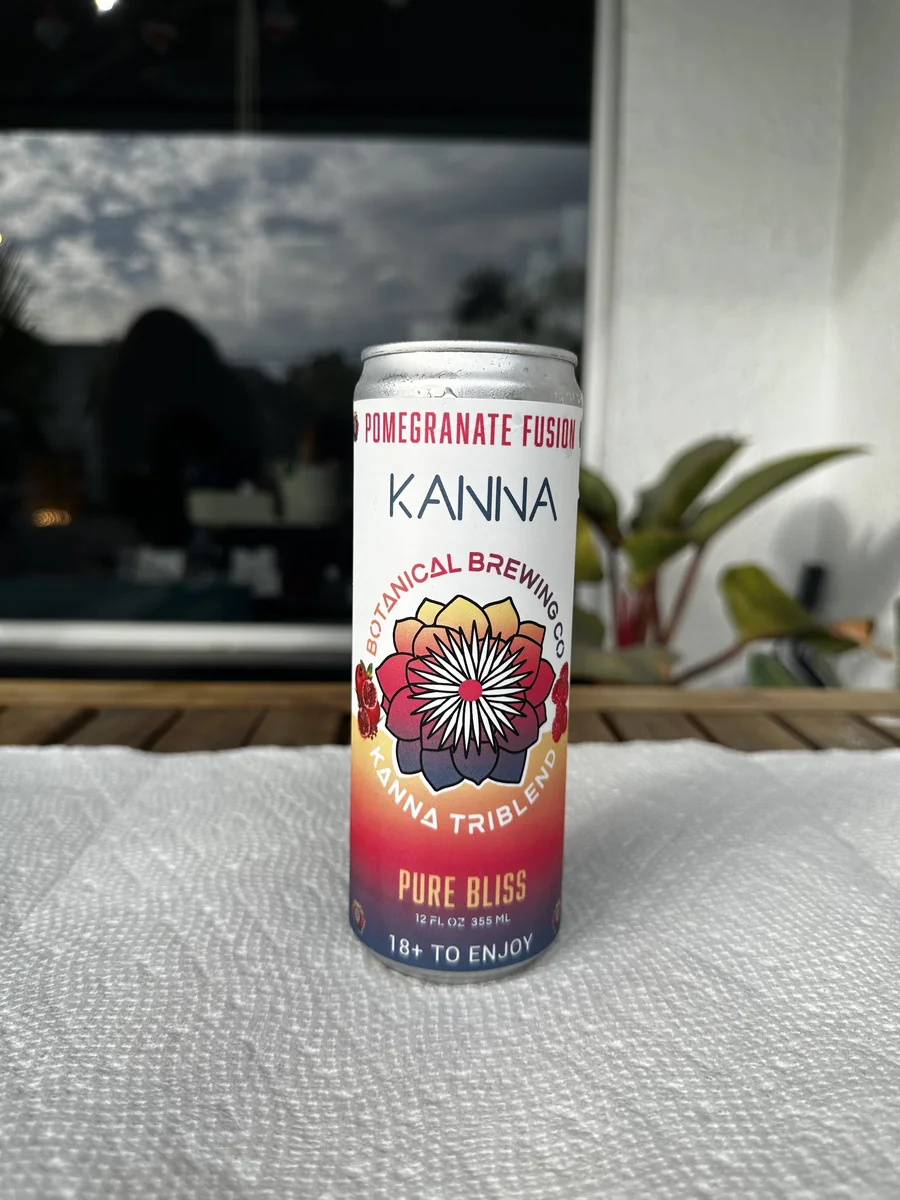
A careful introduction to kanna, its botanical identity, the difference between a plant and a finished drink, and the label questions worth asking before you compare products.
Kanna is a botanical, not a product verdict
Kanna is the common name for Sceletium tortuosum, a plant native to South Africa. That identity is useful vocabulary, but it is only the beginning of a product question. A can, powder, extract, capsule, tea, or other preparation can differ in format, ingredients, labeling, and producer instructions.
OPSS notes that kanna is used as an ingredient in dietary supplement products and that the available public information has important limits. Functional Sip keeps those limits visible rather than turning the botanical name into a promise about what someone will feel.
Why searchers should separate the plant from the drink
A Kanna beverage is a finished product, not a generic sample of every kanna preparation. The useful questions are concrete: What format is it? What does the current label list? How many servings are in the container? Does the package use Nutrition Facts or Supplement Facts context? Which producer page supplies the current details?
Those questions also make comparison fairer. A named botanical can help a reader organize research, but it does not make two products interchangeable and it does not establish that a drink will create a particular mood, focus, sleep, stress, or other personal result.
What current research can—and cannot—tell you
OPSS summarizes a limited research record and says that the studies it discusses are small, short-term, and focused on the trademarked ingredient Zembrin. It also says more research is needed. That is a reason to describe the evidence carefully, not a reason to repeat the strongest marketing language attached to the category.
The same source notes that safety information is limited and discusses reported side effects and adulteration concerns in dietary supplement products. Functional Sip does not turn that public overview into a personal safety assessment. Questions involving health conditions, medicines, pregnancy, breastfeeding, substance use, or individual suitability belong with a qualified professional who can consider the full context.
A practical label-reading checklist
FDA explains that Nutrition Facts labels show serving size and servings per container, and that serving size is not a recommendation of how much to eat or drink. For a beverage comparison, begin with the label’s exact serving information before comparing calories, sugars, or other displayed nutrients.
Then check the ingredient list, the product format, current warnings, and the producer’s live page. If a package uses a different label framework, read the information in that framework rather than assuming every botanical beverage is documented in the same way. The goal is a clearer record of the product—not a prediction about an individual experience.
Where Kanna fits on the Functional Sip shelf
Kanna belongs in the wider functional-beverage conversation, but it should not be flattened into every other botanical, alcohol-free spirit, coffee drink, or supplement format. The current Kanna shelf has its own source and label questions, just as Kava, Elixir, and other categories do.
For a current can example, read the Pomegranate Fusion product story for producer-listed flavor and pack information. For a direct comparison with Kava, use the Kava vs. Kanna label guide. Those pages answer different questions and are intentionally linked as a small, coherent cluster.
Story notes +
Current sources: Functional Sip reviewed the current OPSS public kanna overview and FDA Nutrition Facts guidance. We use those sources for botanical identity, research limits, safety context, and label-reading principles, while keeping product-specific facts on the cited producer page.
In context: Kanna is the common name for Sceletium tortuosum, a plant native to South Africa. Kanna can appear in dietary supplements and beverage-adjacent products, but a botanical name alone does not establish the ingredients, format, safety, or individual outcome of a finished drink.
Good to know: This guide is for readers learning the vocabulary around kanna and comparing current product formats. It is not medical guidance, a suitability decision, a dose or mixing guide, or a promise about mood, focus, sleep, anxiety, stress, or any other personal outcome.
Sources
Read the current details.
Common questions
Before you decide.
What is kanna?+
Kanna is a common name for Sceletium tortuosum, a plant native to South Africa. OPSS describes it as an ingredient that can appear in dietary supplement products.
Are kanna and a kanna drink the same thing?+
No. Kanna refers to the botanical, while a finished drink is a specific product with its own format, ingredients, serving information, label, and producer instructions.
Does the word kanna prove what a drink will do?+
No. A botanical name is product information, not proof of an individual effect, safety outcome, or suitability conclusion. OPSS says the available studies are small and short-term and that more research is needed.
What should I check on a kanna beverage label?+
Start with the exact product format, serving size, servings per container, ingredient information, Nutrition Facts or Supplement Facts context where applicable, warnings, and the current producer page. FDA notes that serving size is not a recommendation of how much to consume.